
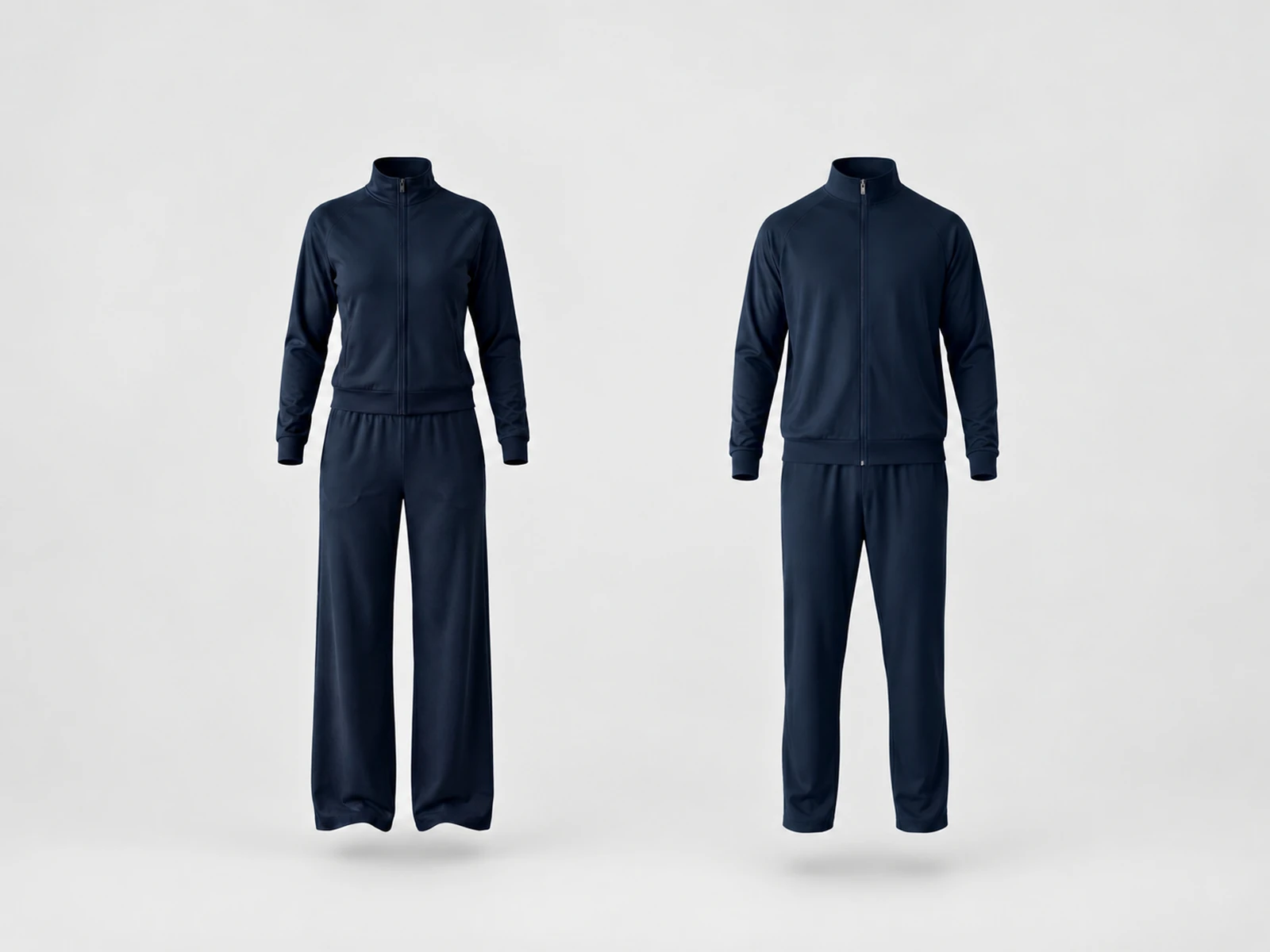
How we look and how we feel shape how we move through the world. Clothing is part of our identity. Those needs don’t disappear because we have had surgery.
That became very clear to me during recovery. It brought years of observation into focus and became the starting point for Hilvaren.
What are we asking people to accept?
My work as a designer involves understanding what people are experiencing and where things could work better. Recovery raised questions that stayed with me. Why should someone have to choose between clothing that accommodates their care and clothing they feel comfortable being seen in? Why is dignity so easily treated as an extra?
Getting dressed can involve another person. Care can require access to parts of the body we would usually keep private. The way clothing is designed needs to respect that. We should be asking the person wearing it what they need, what they find difficult and what they want to retain control over.
Why healing performance wear?
I wanted comfort, dignity, wearability and therapeutic function to be considered together from the beginning. That is what I mean by healing performance wear.
The garment has to be considered as a whole. How it feels over a long day matters alongside how it supports care. How someone feels in it matters too. A technically interesting textile is only part of that thinking.
My experience started this work, but it cannot speak for everyone. Different procedures, bodies and circumstances bring different needs. Listening to those experiences is essential if we want to improve what people are offered.
I see dignity during recovery as a baseline. People deserve to feel like themselves while they heal.